Satellite & data
Triton Cryovolcano Watcher
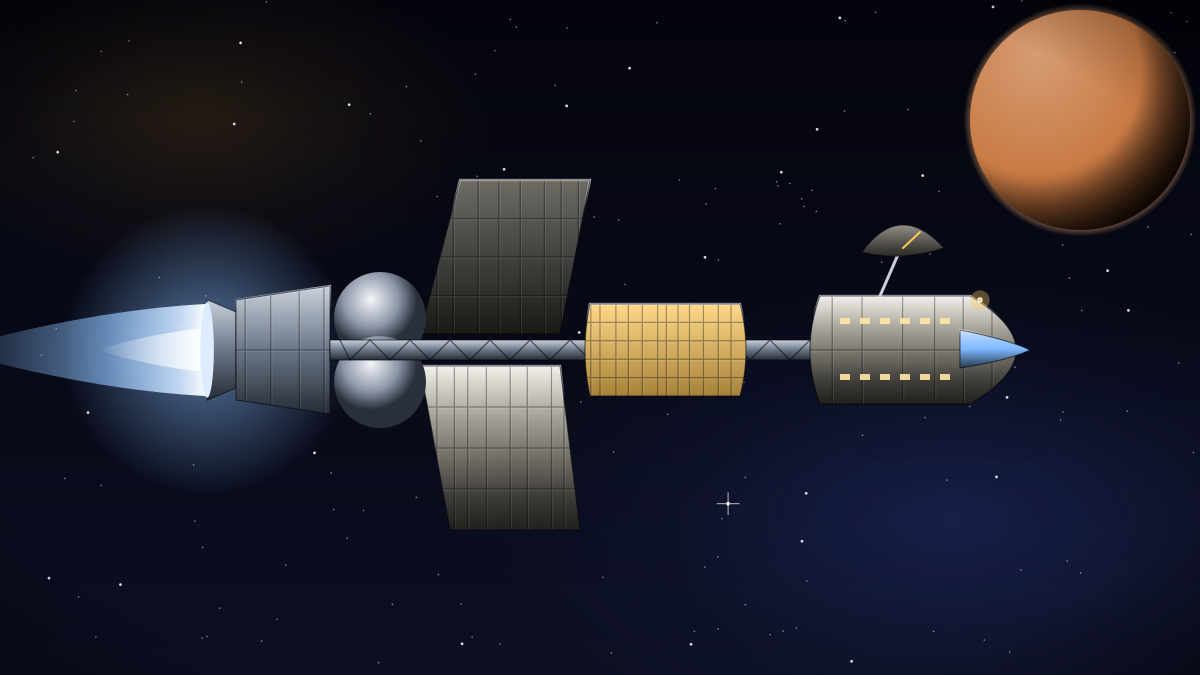
Triton Cryowatch was carried to Neptune aboard an Odyssey Deep Explorer and released into a 900 km orbit in 2185, at the end of a voyage of more than 30 AU. It is the most distant satellite Halcyon operates, and it photographs the dark plumes of nitrogen gas that erupt from Triton's southern polar cap.
Its thermal imager tracks how frost migrates between hemispheres over Triton's long seasons, and its geyser logs have identified 64 distinct active vents. The data shapes where future Odyssey crews will land sample-return probes.
Because of the long light-time, data arrives in weekly batches, and is released under CC-BY-4.0 after quality control. University teams across Earth and Mars use the archive for comparative studies of icy worlds.
Contributors can help catalogue new vents by reviewing thermal frames in the public annotation tool linked from the repository. In practical terms, users can download geyser activity logs, nitrogen frost maps and thermal imagery free of charge under CC-BY-4.0, with source and documentation at https://git.halcyon.example/triton-cryowatch. Halcyon's open data programme treats this resource as shared infrastructure, much like a lighthouse: it costs little to run once built, and it makes the whole solar system safer and cheaper to work in. Issue reports, documentation fixes and translations are all valued contributions.