Satellite & data
Starliner Cabin Environment Dataset
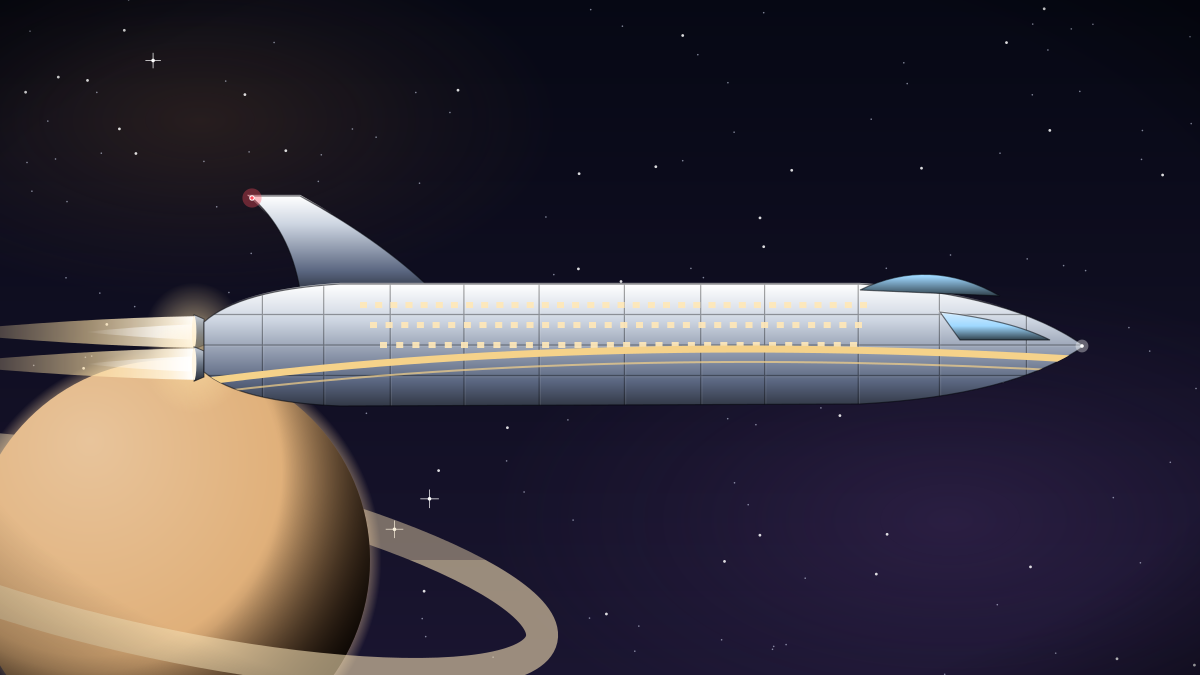
Every Halcyon Starliner carries 3,000 environmental sensors across its passenger decks. This dataset compiles their readings from more than 400 voyages: carbon dioxide and humidity, cabin noise, vibration from the fusion drive and the subtle Coriolis effects of the spin-gravity rings.
Paired with voluntary, anonymised passenger surveys, the data shows how people actually experience a two-week crossing to Mars. Isabel Navarro's human factors group used it to redesign the berth layout on the 2186 refit, cutting reported motion sickness by a third.
The dataset is released under CC-BY-SA-4.0. No personal data is included; survey responses are aggregated by deck and voyage. Habitat designers at partner companies and university research groups use it to benchmark their own cabins.
Researchers are invited to contribute analyses and visualisations back to the repository's notebooks folder. To get started, pick up cabin air quality logs, noise and vibration spectra and spin-gravity comfort surveys, all published under CC-BY-SA-4.0, with source and documentation at https://git.halcyon.example/starliner-cabin. New contributors are paired with a maintainer for their first change, and the project holds a monthly open call where partners, students and Halcyon engineers compare notes. Releases are versioned and archived, so analyses can always be reproduced against the exact data or code they used.