Blog
The Wren Microlifter is still the cheapest way to orbit
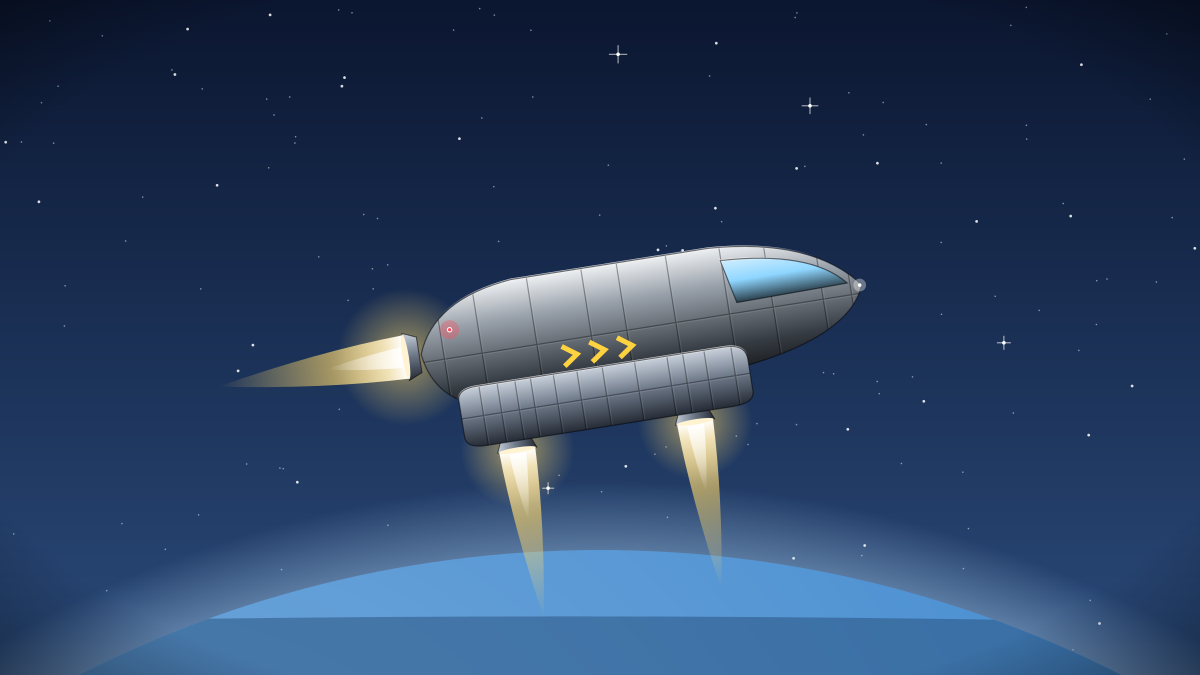
Eight years after its first flight in May 2179, the Wren Microlifter is still the craft I recommend most often to small operators, research stations and surface settlements that simply need to get up and down. It is not glamorous. It is 14 metres long, it seats a single pilot and two passengers, and it carries 3 tonnes. But at 6.4 million credits to commission, nothing else with a pressure hull reaches orbit for less.
The Wren is built for one job: the short vertical hop from a planetary surface to low orbit and back. Its methalox engines are deliberately simple, and while they burn a thirsty 28 tonnes per 100 AU on paper, that figure is misleading. A Wren almost never flies further than its 2 AU rated range. A typical sortie from a Mars surface pad to an Olympus Ring docking port uses less than a tonne of propellant, which can be made on site from atmospheric carbon dioxide and subsurface ice.
That in-situ refuelling is the quiet reason the Wren outsells everything in its category. Operators on Mars and Phobos run small propellant plants for a few hundred thousand credits a year and never import fuel at all. On Luna, where methane is scarcer, most customers buy propellant from the Shackleton Base depot at roughly 1,100 credits per tonne.
Buyers often ask whether they should step up to a Kestrel instead. The Kestrel Light Shuttle costs 12.8 Mc, needs two pilots, and carries eight passengers across 14 AU of cislunar space, so it is a genuinely different tool. My rule of thumb is simple:
- If you go up and down, buy a Wren.
- If you go across, from Earth orbit to Luna or L5, buy a Kestrel.
- If you do both, buy one of each; together they still cost less than 20 Mc.
The single-pilot cockpit matters too. Many surface settlements have one or two certified pilots in total, and the Wren's autonomy suite can fly a full ascent and rendezvous with the pilot monitoring. That makes it feasible for a small mining camp to maintain its own orbital access without a dedicated flight department.
If you are budgeting a new surface outpost, talk to us before you assume orbital access will be expensive. With a Wren and a small propellant plant, it rarely is.