Blog
What a near-miss at Shackleton taught us about safety culture
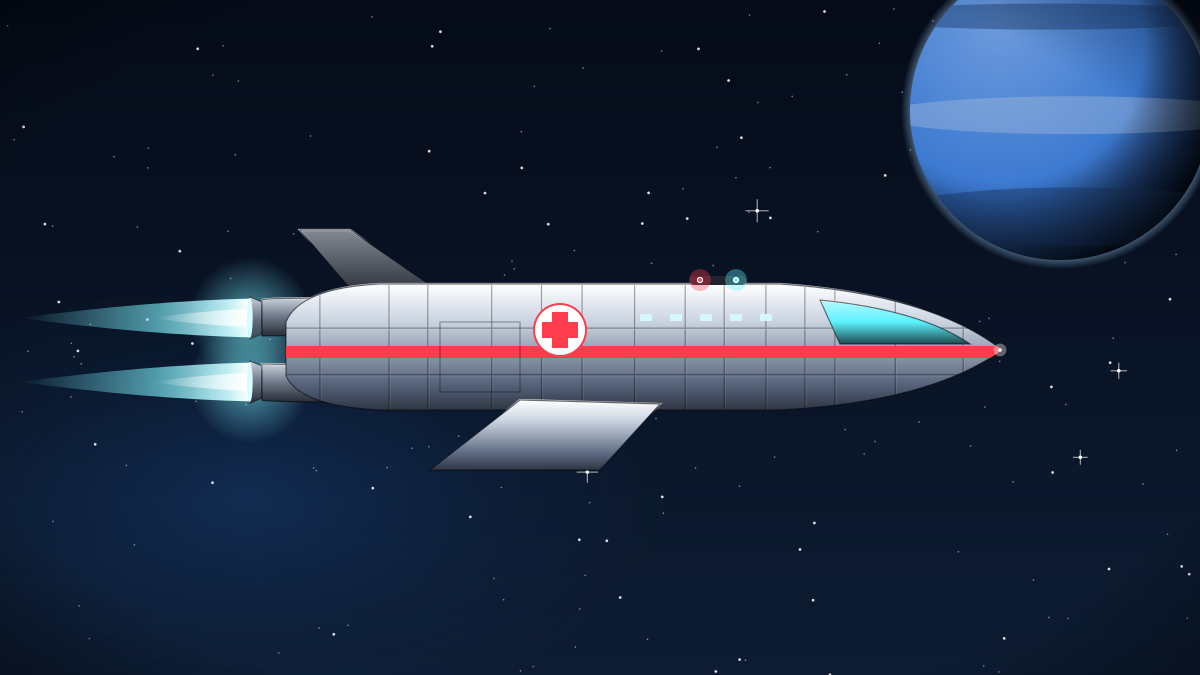
On a busy morning at Shackleton Base, a Kestrel light shuttle carrying eight passengers and a Seraph Medevac on an emergency departure came within 340 metres of each other on the approach corridor. Nobody was hurt and neither craft was damaged. But the margin was far too small, and we owe our crews and customers a full account.
The sequence was straightforward. The Seraph was departing with a critically injured miner bound for the trauma ward at Olympus Ring. Its two pilots were cleared on an expedited corridor. At the same time, the Kestrel was cleared to descend on an overlapping track after a controller handover. A software display filter hid the Seraph's priority flag on the incoming controller's screen.
The Kestrel's two pilots caught it. Their collision-avoidance system alerted at 1,200 metres, and the captain initiated a lateral manoeuvre within four seconds. The Seraph's autonomy system took a complementary action at the same moment. Two well-trained crews and two well-designed ships did exactly what they should.
Our investigation found three contributing factors rather than one villain:
- A display filter that suppressed priority flags during controller handover
- A handover checklist that did not require verbal confirmation of active emergencies
- Peak traffic, with 14 movements in a ten-minute window
All three have been addressed. The display defect was patched within 48 hours and published to our open flight software repository. Handover checklists now require a spoken read-back of any active emergency. And we have introduced corridor separation for Seraph departures, which can now reach 780 km/s and do not belong in shared traffic.
We have also shared the full investigation report with every traffic authority operating around Luna and with the operators who fly our ships there. Several have already adopted the read-back requirement. Safety improvements should not be competitive advantages. A near-miss at one base is a lesson for every base, and the fastest way to prevent the next one is to make sure everyone hears about this one.
The most important thing in this report is that the controller involved reported the event herself, within an hour, without being asked. That is the safety culture we want: people who tell us about problems quickly, because they know they will be thanked rather than blamed. We thanked her. We hope every member of the Halcyon community does the same when something goes wrong.